Fast facts
State: Montana
Acreage: 1,009,352 acres (the Bob Marshall Wilderness alone; with the Great Bear and Scapegoat wildernesses, the Bob Marshall Wilderness Complex tops 1.5 million acres)
Managing agency: USDA Forest Service — Flathead, Helena–Lewis and Clark, and Lolo National Forests; the Bob itself is managed by the Spotted Bear and Rocky Mountain ranger districts
Main trailheads and access: Benchmark Trailhead near Augusta (gateway to the Chinese Wall), Spotted Bear Trailhead near Hungry Horse, and Holland Lake Trailhead in the Swan Valley
Permit rules: No permit required. Special rules on food storage, camping, and other topics apply — check the Forest Service Alerts page before a trip, and carry bear spray.
Best season: Mid-June to mid-September, when the high passes are snow-free.
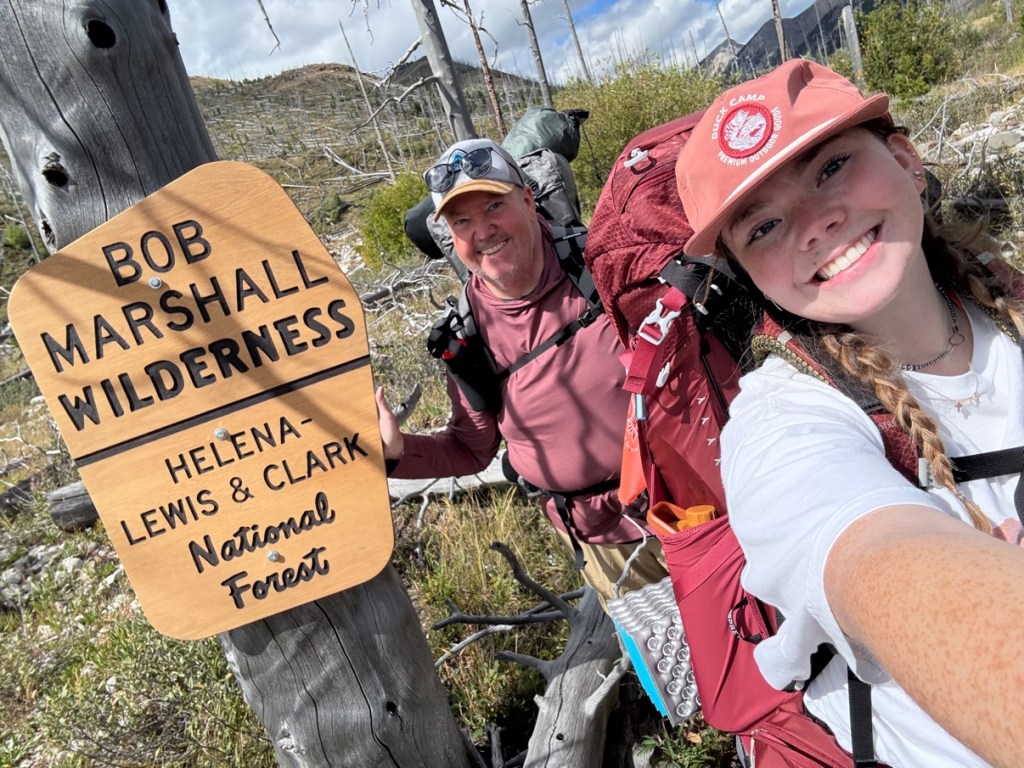
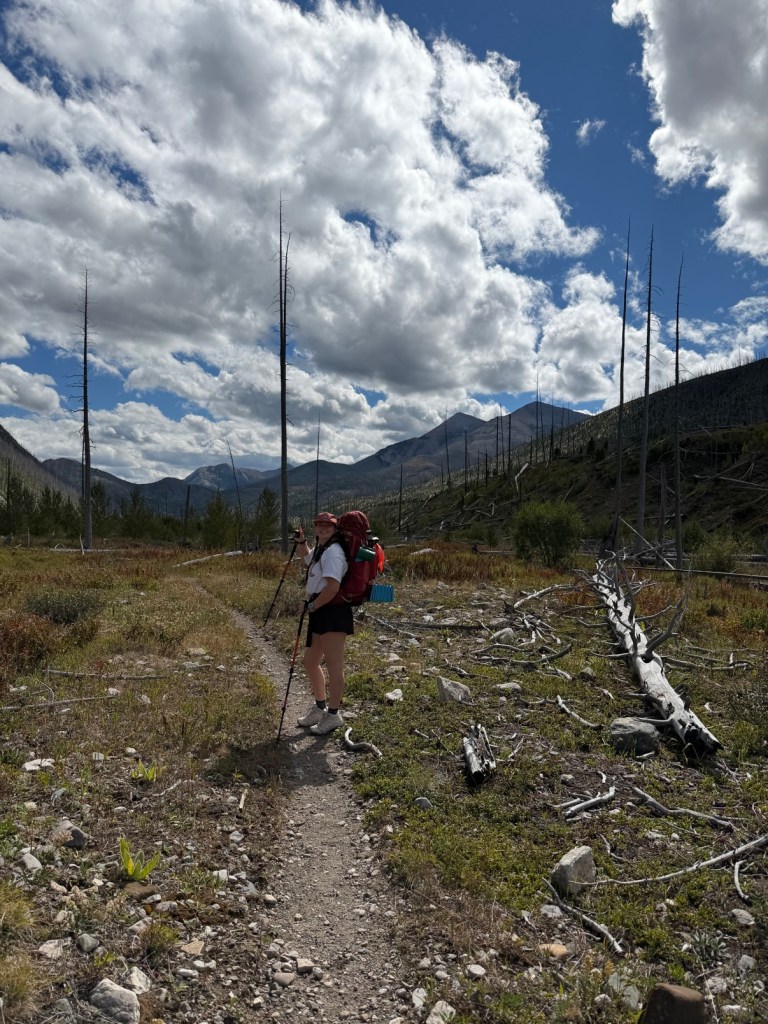
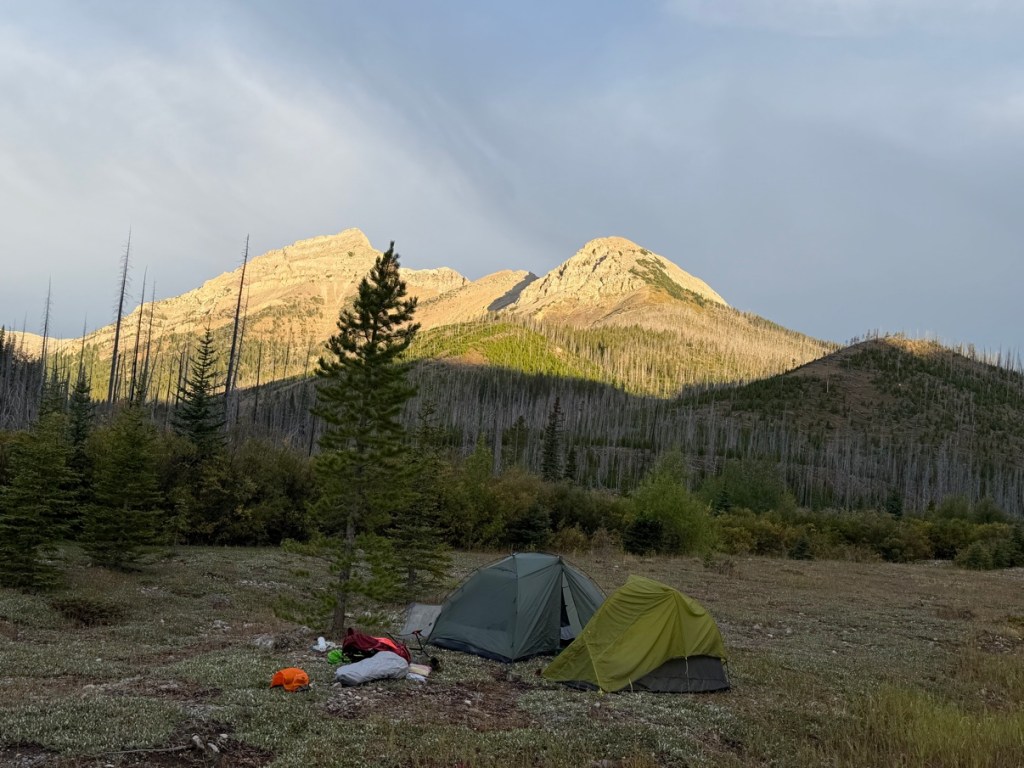
The Bob Marshall Wilderness — “The Bob” — is one of the original wilderness areas designated by Congress in the Wilderness Act of 1964, and one of the most completely preserved mountain ecosystems in the world. It stretches about 60 miles along the Continental Divide in northwest Montana, named for Bob Marshall, an early Forest Service forester, wilderness advocate, and co-founder of The Wilderness Society. Its signature landmark is the Chinese Wall, a 1,000-foot limestone escarpment running for miles along the Divide, and it is prime grizzly country — remote, rugged, and very big.
Official source: U.S. Forest Service, Bob Marshall Wilderness Complex: https://www.fs.usda.gov/r01/flathead/recreation/bob-marshall-wilderness-complex